
The Strategy Flywheel: How Strategic Clarity Compounds Into Momentum
When five elements align, decisions get faster and momentum compounds.

There’s a feeling when strategy starts working.
Not “we shipped fast” working. Actually working.
Decisions get faster. Not because you’re rushing - because clarity removes debate.
Each quarter builds on the last instead of resetting. What you shipped last quarter made this quarter’s priorities clear. What you ship this quarter will make next quarter’s priorities clearer. The roadmap becomes obvious.
The question in meetings go from “should we do this?” to “does this change the customer’s reality?”
And most noteworthy - teams start moving without you in the room. Not because they’re autonomous for autonomy’s sake - because context travels through the system. They know what you’d decide because they understand why you’d decide it.
This is what strategic clarity feels like when it compounds.
Two companies found this rhythm in very different ways - one through systematic orchestration over years, one through a single mythic moment that activated everything they’d built.
Both reveal the same pattern underneath.
For those unfamiliar: Alex Hormozi has had a meteoric rise in the business world.
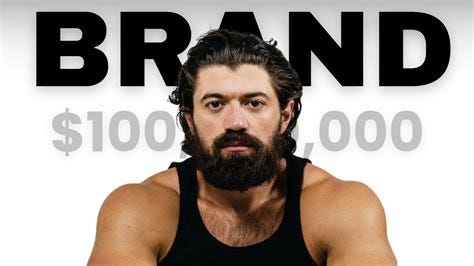
From gym launches to building Acquisition.com, he’s become what creators aspire to be - someone who built real wealth and now teaches others to do the same.
His $100M brand was established. But most of that value was behind the scenes inside his companies. He wanted something publicly visible. Something that demonstrated the methodology at scale.
So he set a goal most authors wouldn’t speak out loud: Break the world record for fastest nonfiction book sales.
This is what becomes available when the flywheel is already spinning.
Hormozi had spent years building foundations. The audience was there. The proof was demonstrated across thousands of businesses. The credibility wasn’t claimed - it was earned through visible customer transformation.
When these connected, he could ask a different question. Not “how do I sell this book?” but “what would make the impossible possible?”
The world record became the internal governing constraint. His team wasn’t executing a book launch. They were engineering a historic moment. Twenty-two thousand affiliates weren’t promoting a product. They were participating in something that had never been done.
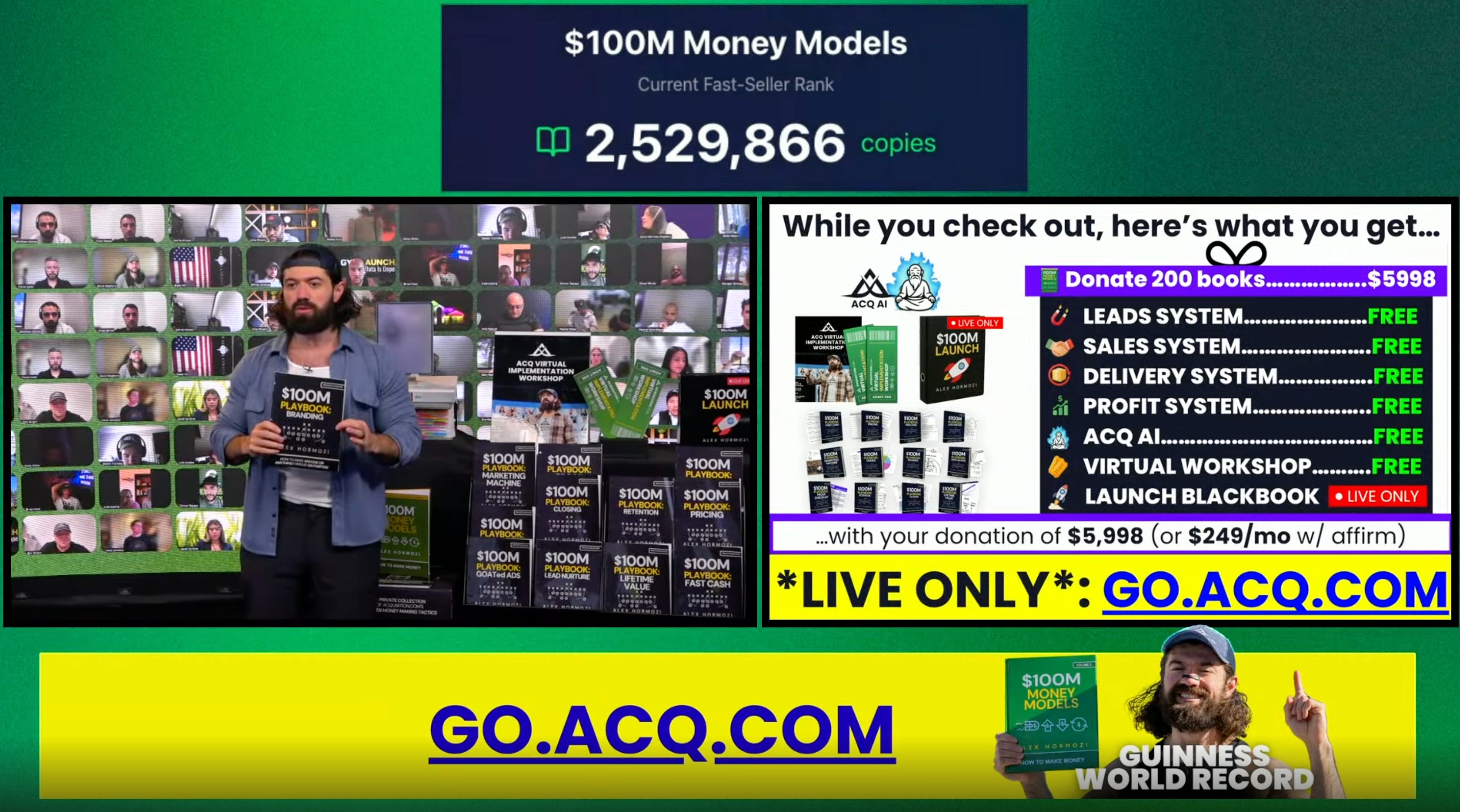
Then he reframed the offer in a way only someone with a spinning flywheel would think to do.
He didn’t ask people to buy. He asked them to donate.
The tiers told the story:
Entry level: Donate a book to someone whose business is stuck.
Mid-tier: Donate roughly $6k worth of books - and get his playbooks, AI tools, and a private workshop.
High-tier : Donate $24k worth of books - and get six months of direct time with Hormozi himself.
Hormozi reframed the default “invest in yourself,” and leaned into “help someone else get ahead - and you get further ahead in the process.”
This tapped something deeper than tactics. As entrepreneurs grow successful, many feel disconnected - from their origins, from people who knew them before. The donation frame gave them something powerful: demonstrable proof they’re helping others. Books they could gift. Generosity made visible.
Who thinks to structure an offer this way?
Someone who isn’t worried about whether the book will transform buyers. That’s already handled. The flywheel has proven it thousands of times. So now the question becomes: How do I amplify this? How do I make advancement and generosity the same action?
Each element strengthened the others. The world record mobilized affiliates who wanted to be part of history. The donation frame gave them language that felt like mission. The tiered structure let people choose their level of participation. The existing proof meant recipients would actually transform - creating more proof.
Hormozi teaches offers, money models, lead generation. What this reveals is the coordination underneath - the flywheel that made audacity possible.
Most authors launch books. Hormozi engineered a movement.
The Audacity Advantage
While Hormozi engineered his movement deliberately, Duolingo stumbled into theirs.
But what they stumbled upon wasn’t luck. It was something they’d been building without knowing it.
Here's what happened:
The owl has always meant wisdom. Athena’s owl overseeing Ancient Greece. The Tootsie Pop owl making children work for answers. The archetype runs deep - the wise guide who holds you accountable, who sees when you’re slacking, who won’t let you off easy.
Duolingo modernized this without losing it. Duo became both sensei and stalker. The teacher who guilts you back to lessons at 11 PM - but does it with heart emojis and streak celebrations. Hundreds of small daily interactions that felt like relationship, not product usage.
They’d built a guide. They just didn’t have language for what that meant.
Then they killed it.
In early 2025, Duolingo announced Duo’s death as part of a campaign. Standard marketing theater - beloved character dies, users react, brand gets attention.

What happened next surprised everyone.
Users didn’t just react. They mourned. Social media flooded with genuine grief. People shared stories about their relationship with the owl - the streaks maintained, the gentle guilt of missed lessons, the small daily ritual that had become part of their identity.
This wasn’t engagement. This was the same response humans have had for thousands of years when the teacher falls.
When Obi-Wan vanished, Luke stopped hesitating. When Dumbledore fell, Harry stopped waiting for guidance. When Mr. Miyagi died, Daniel became the sensei.
The student must prove the teacher’s lessons took hold. That’s not marketing theory. That’s mythology.
Duolingo activated it by accident.
Then they did something smart. They offered resurrection. Hit a collective XP goal, and Duo comes back.
Users didn’t just participate. They fought. Individual learners transformed into a community on a mission. Daily learning went from routine to ritual. Each lesson, each streak, became a vote for revival.
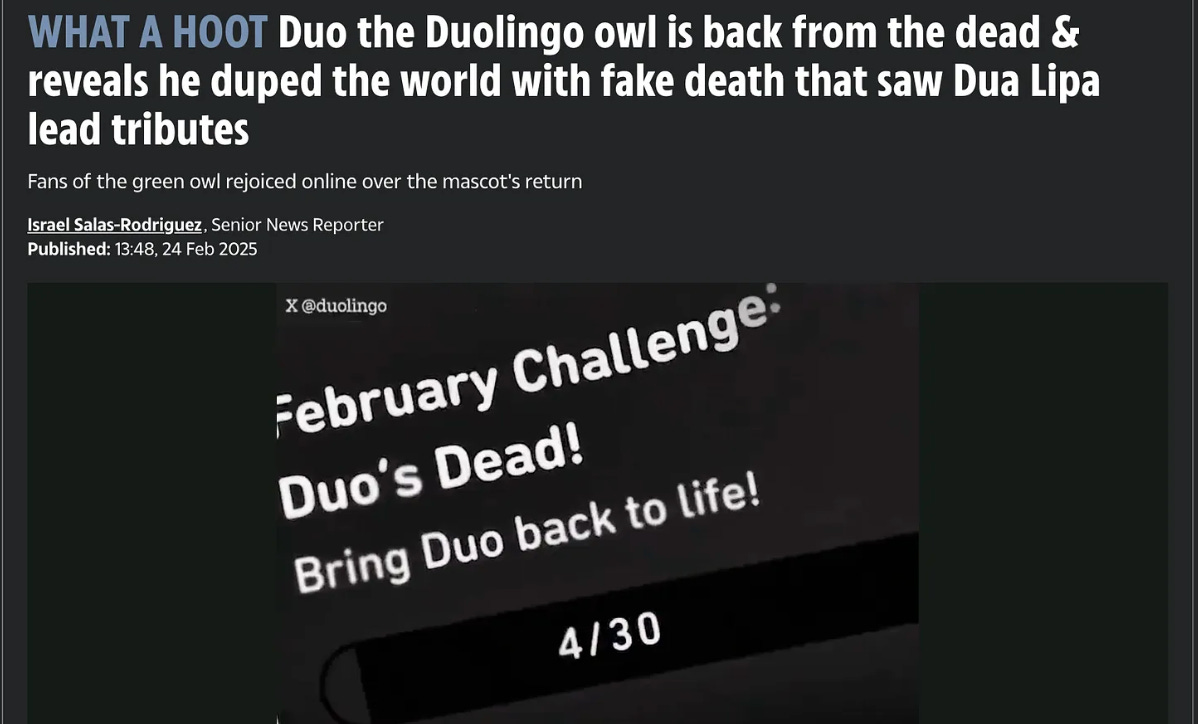
That XP resurrection loop turned mourners into heroes restoring their guide - and proving mastery in the process.
Here’s what Duolingo discovered: they have a movement waiting to be built.
The campaign worked as a moment. But the foundations it revealed - the guide archetype, the relationship depth, the community that mobilized - that’s not a campaign. That’s a flywheel already spinning. They just didn’t know how fast until something made it visible.
Two companies. Two movements. One pattern underneath.
Hormozi didn't just have a big audience. Duolingo didn't just have a beloved mascot.
They had foundations already spinning. Each element making the next one possible.
Here's what was really working:
Positioning - Both owned a transformation, not just a product.
Hormozi wasn't selling books. He owned the transformation from 'struggling business owner' to 'business owner with a $100M money model.' That's category territory. No competitor can rent that from him.
Duolingo owned the identity shift from 'person who wishes they spoke Spanish' to 'conversationally fluent Spanish speaker.' Not "better language app." The person you become.
When you own a transformation, you don’t compete on features. You compete on identity change.
Prioritization - Both had a filter that made decisions obvious.
Hormozi's filter: Does this make the world record possible? Six months. One constraint. Every decision answered by that single question. No debates about the book tour, the podcast circuit, the traditional launch. World record or nothing.
Duolingo's filter: Does this deepen the daily learning ritual? The streak mechanics, the gentle guilt, the celebration moments - each one strengthening the habit they were building. No feature shipped unless it made coming back tomorrow more likely.
When prioritization is clear, you stop debating what to do next. The transformation you own becomes the filter that answers every question.
This is why owned positioning creates decision velocity. Rented positioning requires endless coordination meetings. Owned territory makes priorities obvious.
Process - Both built coordination that ran without constant management.
Hormozi coordinated 22,000 affiliates with hour-by-hour choreography. But he wasn't in every room. The process held the context. Every affiliate knew their role because the world record goal traveled through the system. The coordination architecture made autonomous execution possible.
Duolingo’s daily notification rhythm, streak architecture, XP mechanics - none of it required someone manually pushing users. The process carried the accountability. Users pushed themselves because the system made progress visible.
When process encodes your transformation, teams move without you in the room. The transformation story downloads into operating rhythm. That’s when strategy stops being documents and starts being infrastructure.
Performance - Both tracked momentum, not just activity.
Hormozi wasn't measuring book sales. He was measuring world-record pace. Every hour, every day: Are we ahead or behind the trajectory that makes history? The metric made the impossible measurable.
Duolingo wasn't measuring app opens. They were measuring streak retention, daily return rates - the signals that said "this person is becoming a daily learner." Not usage. Identity change.
When performance tracks transformation progress, you see whether momentum is building or stalling. You’re measuring customer movement, not company activity.
People - Both mobilized communities, not just customers.
Hormozi’s affiliates weren’t salespeople. They were participants in something historic. The donation frame transformed buyers from “investing in themselves” to “helping others get ahead.” Generosity and advancement became the same action.
Duolingo’s users weren’t completing lessons. They were fighting to resurrect their teacher - proving mastery in the process. Mourners became heroes. Students became the sensei.
When people feel like protagonists in a transformation story, they move differently than customers being sold to. That’s mobilization versus transaction.
The Strategy Flywheel
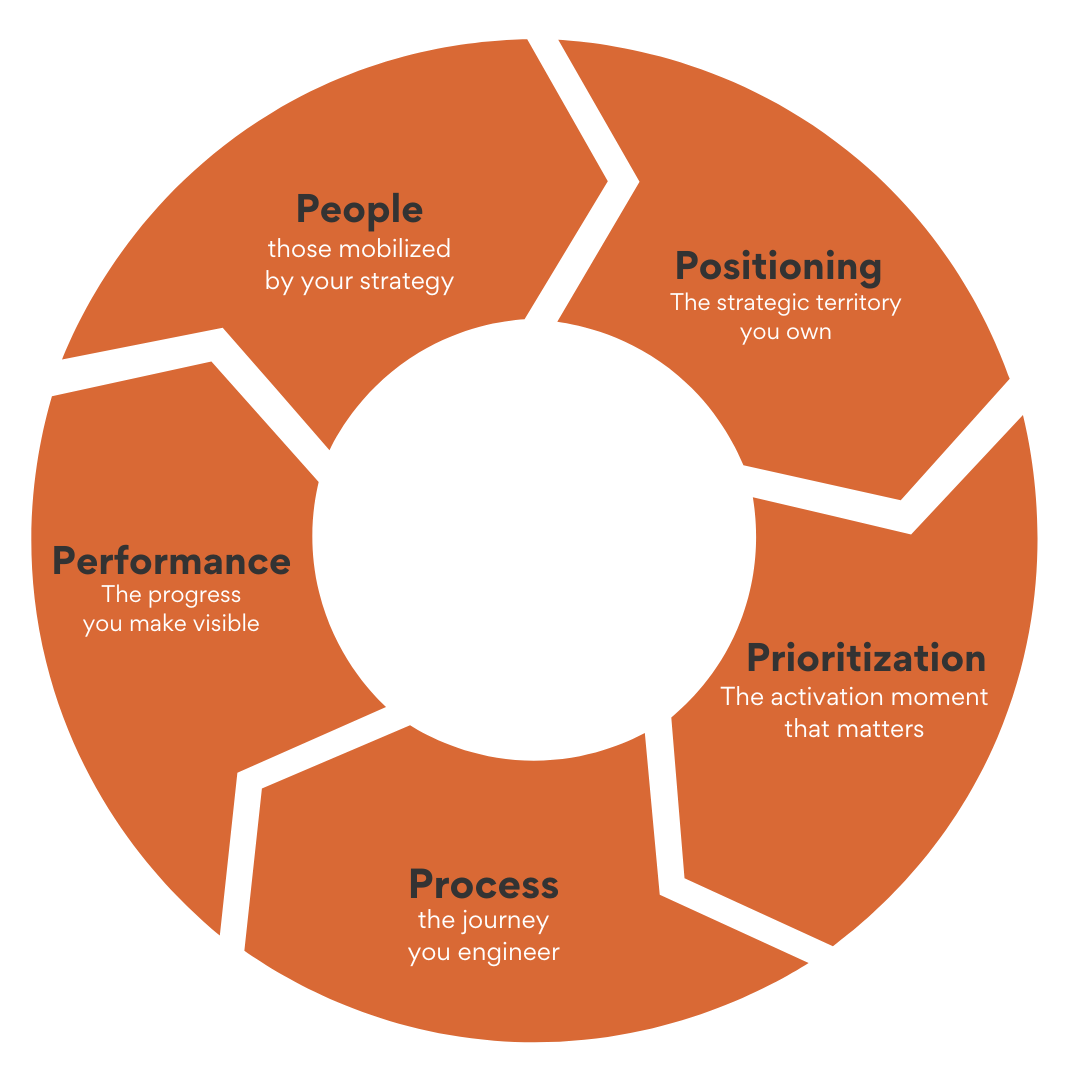
Five elements. Each enabling the next. Each making the next easier.
Positioning makes prioritization obvious. Prioritization makes process lighter. Process makes performance measurable. Performance makes people decisions clear. People executing strengthens positioning.
When they connect, momentum compounds. Decisions get faster. Outcomes get clearer. Each quarter builds on the last.
That’s what Hormozi built deliberately.
That’s what Duolingo discovered they’d built.
The same pattern is available to you.
Not because you’ll copy Hormozi’s launch or Duolingo’s campaign. But because the same pattern underneath both is the same pattern underneath any business that builds momentum instead of just staying busy.
The question is: Is yours spinning?
Part 2 shows you how to diagnose - where it’s connected, where it’s wobbling, and which element to look at first.
Until then, one thing to notice:
In your next strategy conversation, count how often you say “we” versus “they.”
If “we” dominates, you’re building internal coherence. If “they” dominates, you’re building external momentum.
“Most companies spend 90% of meeting time on ‘we,’ 10% on ‘they.’”
That ratio reveals more than any strategy document.
PS: Part 2 shows you how to diagnose which of the five elements is wobbling—and which one to strengthen first.
Most companies don’t have a slow flywheel. They have disconnected elements that never create momentum. That’s the real diagnostic question.