
How to Get Your Physical Products Recommended by ChatGPT
When customers stop searching, here’s how to be found

This piece is Part 2 of the Conversational Commerce Series — how conversation is replacing search as the new discovery engine.
New to the Series?
👉 Start with Part 1 - “I found you on ChatGPT”
The Gifting Problem We All Feel
The holidays sneak up faster every year. You swear you’ll start early this time—but here you are again, staring at your list, already dreading the search.
That perfect gift for your best friend who’s impossible to shop for. The colleague who has everything. Your partner’s birthday next month.
You know exactly what you want to find: something that captures how much you appreciate them. Something that references that inside joke, that shared experience, that moment only you two understand.
So you open Amazon. Type keywords. Scroll through pages of generic results that miss the mark entirely.
You try describing what you actually want: “Something for my friend who loves hiking and also collects vintage postcards and we went to that amazing trip to Yellowstone last summer and I want something that feels personal but not too personal and under $50 but looks like it cost more.”
The search bar stares back, uncomprehending. Amazon doesn’t speak human. It speaks SKU.
So you end up on Etsy, typing fragments of your actual need, hoping someone handmade exactly what you can’t quite articulate.
OpenAI gets it. That’s why they featured Etsy in their promotional campaign for their commerce platform.

Suddenly, that impossible gift search became a conversation:
“Can you help me find a great housewarming gift for my friend? maybe handmade, ceramic dinnerware, in white and tan under $100”
That conversational approach is a fundamental shift in how purchasing works—from describing products to describing people, problems, and moments.
And that shift reveals which businesses will capture the future, and which will become invisible infrastructure serving other people’s conversations.
The Commerce Platforms That Were Already Speaking Human
Etsy and eBay weren’t just early e-commerce platforms. They were early experiments in conversational commerce—before the term existed.
Their catalogs already spoke in human context:
“Vintage ceramic mixing bowl, cream colored with small chip on rim, perfect for bread making, reminds me of my grandmother’s kitchen”
Not: SKU-13482: Ceramic Bowl, 8.5” diameter, off-white, Grade B condition
One tells a story. The other reads like inventory management.
When conversational AI arrived, these platforms were ready. Their psychology already matched the interface.
The Real Hidden Winners
But the platforms everyone wrote off might be the biggest winners of all.
Craigslist. Facebook Marketplace. OfferUp. Nextdoor.
And that small website you thought didn’t matter anymore—the niche shop that never played the algorithm game because everyone moved to social? Look again.
While the giants optimized for scale, these quiet ecosystems optimized for story. Their entire economy runs on description, emotion, and circumstance. Every listing is a story disguised as an ad:
“Moving cross-country, selling my beloved reading chair. Navy blue, well-loved but sturdy. Has been my writing companion for five years. Perfect for small apartments or cozy corners.”
These platforms—and the independent sites that write like them—trained millions of people to describe items the way humans actually think about them.
Then There Are The Giants
Amazon. Walmart. Target.
The titans of the e-commerce era built their empires on machine-readable listings that are emotionally blind.
They speak fluent SKU, not story.
“Wireless Bluetooth Headphones, 40mm drivers, 20-hour battery life, noise cancellation technology, available in black/white/blue”
Technically precise. Emotionally vacant.
In a world where purchase intent flows through conversation, platforms that already speak human are positioned to win.
The ones that speak database face a different future entirely.
Because when conversation becomes the storefront, fluency in human language isn’t branding—it’s survival.
The Billion-Dollar Battle Lines Are Drawn
The moves happening right now reveal just how massive the stakes really are.

Conversational-Ready Platforms (Etsy, eBay): Scale Without Losing Soul
The validation just came in May. eBay announced their first AI shopping “companion” - not an assistant, a companion. The language choice wasn’t accidental.
They’re betting everything on the psychology of people wanting guidance through discovery, not efficiency through search.
Eddie Yoon’s research shows a $300-500 billion impulse shopping market resurging. But here’s what most missed: Amazon just removed 600 million products from AI discovery. When the biggest catalog disappears, platforms that already speak human capture the traffic.
Hidden Winners (Craigslist, Facebook Marketplace, OfferUp, Nextdoor—and Niche Independent Sites That Still Speak Human): Just Scale
These ecosystems already operate in conversation mode. They may not make headlines, but they’ve built audiences on trust, story, and human tone.
Which is exactly why they’re hidden winners.
When AI routes discovery traffic to naturally conversational inventory, guess where it goes?
Database Giants: All-Out War
The battle lines got drawn the past few weeks.


Amazon’s Move: Build the Moat
Amazon blocked ChatGPT from crawling its 600 million listings—erasing them from conversational discovery. They’re betting Rufus, their internal AI, can replace external exposure.
The risk? Rufus lost $285 million last year while ChatGPT drives 20% of Walmart’s traffic.
Walmart’s Move: Join the Revolution
Traffic tells the story of their announcement of full integration.
20% percent of Walmart’s clicks now come from ChatGPT—up from 15% in July.
What started as an experiment is turning into a new distribution channel—one built on conversation, not search.
Target’s Move: Hedge Everything
Target is straddling the line—building internal tools while keeping its catalog open to generative crawlers. Smart hedging or strategic confusion? Time will tell.
What Happens To Your Products In This War
These shifts decide which products get discovered at all.
When Amazon blocks crawlers, do your listings disappear from conversational commerce?
When Walmart rides ChatGPT traffic, are your products optimized for AI synthesis or still tuned for keyword search?
When eBay launches companions, do your listings sound conversational—or transactional?
The billion-dollar question isn’t which platform wins.
It’s where your products will be found when customers stop searching and start talking.
How to Help ChatGPT Discover Your Products
ChatGPT doesn’t crawl the web like a search engine—it listens for context. What it recommends depends on how well your listings communicate who the product is for, when it’s needed, and why it matters.
To prepare your product listings, follow the 5-step Product Listing Optimization Framework—a Strategy Flywheel™ that works with ChatGPT’s context engine.
5-Step Product Listing Optimization Framework through the Strategy Flywheel™
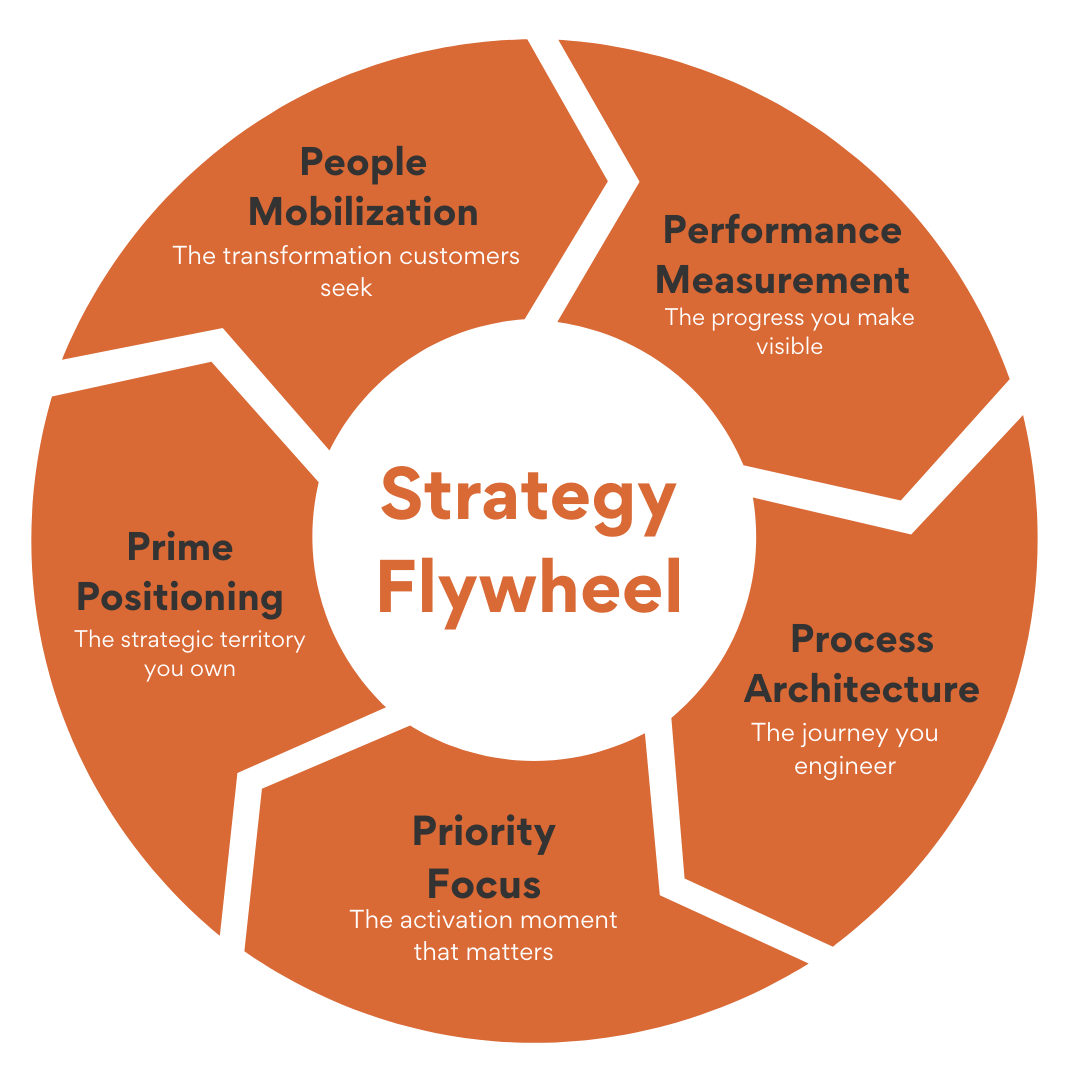
1. Prime Positioning – What situation or emotion triggers the conversation?
2. Priority Focus – What matters most in that moment (speed, sentiment, symbolism)?
3. Process Architecture – How does the AI interpret signals (language, tone, circumstance)?
4. Performance Measurement – What evidence or reviews validate emotional fit?
5. People Mobilization – Who does this product naturally belong to?
This framework isn’t just for listings—it’s systematic thinking applied to discovery. Each element works as a loop, ensuring every decision about your product language compounds toward better AI comprehension.
Each platform demands a different application of the same loop. Here’s how to leverage the framework for each platform category:
Conversational-Ready Platforms: Optimize for Story, Not Search
Etsy and eBay already reward natural language. Yet most sellers still write like machines.
“Vintage ceramic bowl, 8.5 inch diameter, cream colored, kitchen décor.” That’s a machine-speak.
That will keep you invisible. Instead:
Write for problems, not products. Describe the moment someone would need it.
Include emotional context. AI synthesizes feelings as much as facts.
Use natural language. Write as if you’re recommending to a friend.
“This cream ceramic bowl reminds me of my grandmother’s kitchen—perfect for bread making, with that lived-in warmth that makes a house feel like home.”
Much better story for discovery.
Hidden Winners: Amplify What Already Works
Double down hard on Craigslist, Facebook Marketplace, and neighborhood apps. They already speak human.
Lead with circumstance. “Moving cross-country, selling my beloved reading chair.”
Add context clues. AI understands “perfect for small apartments” better than “compact design.”
Use complete thoughts. AI reads full sentences better than fragments.
When AI routes discovery traffic to conversational inventory, you’re ready.
For Niche or Independent Sites
If you run your own store or category-specific site, you share the same advantage as neighborhood marketplaces—you control the language and the crawl surface.
Keep long-form product stories visible on-page; AI systems read those sections as narrative context.
Use structured metadata so your stories sync across the site.
Maintain an FAQ or ‘Story Behind the Product’ block; it gives AI conversational hooks to map against queries.
The goal is the same: make every product page a narrative entry point, not a sterile SKU.
Database Giants: Navigate the Platform War
Your optimization depends on which platform hosts your listings.
If You’re on Amazon
You’re behind the moat. External conversational discovery is blocked; Rufus is your only channel.
Optimize for Rufus synthesis: reviews, Q&A, and product details must tell a complete story.
Use comparative framing: “Better than competitors because…” helps Rufus position you.
Invest in internal ads: visibility now depends on Amazon’s own AI, not outside search.
If You’re on Walmart
You’re in the open ecosystem. ChatGPT traffic is real and rising.
Write for AI comprehension: plain, natural language.
Include use-case scenarios: when and how to recommend your product.
Keep cross-platform consistency: ChatGPT may quote your Walmart listing directly.
If You’re on Target
You’re straddling both worlds.
Balance optimization: natural language for external AI, structured data for internal systems.
Leverage Target’s guided search: use conversational phrasing that aligns with internal AI prompts.
Track channel performance and iterate.
Each of these plays is local to the platform, but the mission stays the same: make your products discoverable by context, not code.
When ChatGPT scans for relevance, it interprets meaning, not metadata. Your language either teaches the system how to talk about you—or leaves it silent.
With your playbook mapped to the terrain, the next step is proving whether these signals actually surface when real conversations begin.
The Signals Are Already Here
While the database giants block crawlers, build moats, and race to launch internal AI assistants, the discovery traffic already shows where the future is heading. Three signals stand out.
Signal 1 — Search Language is Changing
Voice search now accounts for 20.5% of all searches worldwide, and 90% of people believe voice search is easier than traditional online search.

This shift trains every discovery engine, including ChatGPT, to prioritize context over keywords. When someone searches “headphones for long flights that won’t hurt my ears” instead of “wireless bluetooth headphones,” they’re already thinking conversationally.
Each time they move between platforms, that habit compounds. Voice search is teaching people to talk to machines; ChatGPT is teaching machines to talk back.
Signal 2 — Platform Investment Acceleration
Conversational AI in e-commerce surged from $13.6 billion in 2024 to a projected $290 billion in 2025. Amazon expects $700 million in revenue from Rufus despite operational losses. eBay launched AI “companions” within months of traffic shifting toward conversational platforms.

When platforms throw around this level of cash, these aren’t experiments—they’re infrastructure moves. They’re rebuilding the discovery stack from the inside out.
Signal 3 — Latency and Visibility
AI discovery indexing runs in cycles, not continuously. Updated product copy or metadata can take weeks to appear in model outputs.
On marketplaces, you’ll see the effect indirectly: rank shifts, longer dwell times, or customer phrasing that mirrors your listings.
The lag creates a brief strategic window—early optimizers train the model while competitors are still rewriting descriptions.
The Choice Point
The algorithms are already learning. The only variable left is how quickly your people learn with them.
That said, you have two paths forward:
Path 1 — Wait and See
Watch the signals. Monitor competitors. Wait for proof that conversational discovery dominates before acting.
No premature investment, but by the time proof is undeniable, the strategic window may be closed.
You’ll be optimizing in a world where everyone already knows the rules.
Path 2 — Learn With the Algorithms
Train your team during the latency window—while discovery systems are still learning what to reward.
You’ll have some iterations, but you’ll be teaching the models how to talk about your products before your competitors do.
If you take the red pill—by reading this far, you already have—here’s what learning looks like:
What Learning With the Algorithms Looks Like
Reorient teams. Copywriters write for comprehension. Marketers optimize for conversation. Product managers think in problems, not features.
Reorganize testing. Stop A/B testing headlines; start testing story resonance and emotional clarity.
Reframe success metrics. Replace search rank with discovery mentions and context accuracy.
This is where decision system design separates winners from waiters. Companies that organize around systematic learning loops can iterate faster than algorithms update. While competitors wait for proof, you’re building the muscle memory to pivot in weeks, not quarters.
The New Reality
The conversation has already started—the only decision left is whether your products get to speak.
If you’re ready to build decision systems that let you move at the speed of AI transformation, reply to this email or comment on this post.
Part 3 (digital products) drops next week, followed by the Conversational Commerce Operating System framework
👉 Continue to Part 3 - How to Get Digital Products Recommended by ChatGPT